Category: Sanctions

  • Syrians in Exile: Torn Between Returning Home and Staying Abroad After the Revolution

    Syrians in Exile: Torn Between Returning Home and Staying Abroad After the Revolution

    After long years of forced displacement that pushed thousands of young Syrians to undertake dangerous journeys through forests and seas, many now face a new dilemma following the victory of the Syrian revolution: should they return to their homeland or remain in exile?

    Countless Syrians endured enormous hardships to reach Europe, losing their savings, risking their lives, and in some cases, losing loved ones along the way. Many traveled illegally through forests, suffering hunger, fear, and bitter cold. While some managed to rebuild their lives in host countries, the decision of whether to go back to Syria remains deeply complicated.

    Voices from Exile

    Ahmad, a young man who settled in Germany, recalls:

    “I reached here after immense hardship. I crossed forests and mountains, survived by eating leaves, and spent huge sums of money to get to Germany. Now, after the revolution’s victory, I face a difficult choice: staying far from my family or returning to them. But the future of Syria is still uncertain. I have a job here, and I don’t know if I’d find one back home. For now, I prefer to stay until things become clearer.”

    Khaled expresses a different perspective:

    “Even though I’ve gotten used to life in Germany, I prefer to return to my homeland. I miss my family and my village, and I will go back as soon as possible, regardless of the circumstances.”

    For Mohannad, financial stability is the priority:

    “I long for Syria and hope to return soon, but I want to stay longer in Europe so I can save enough money to rebuild the house that was destroyed and prepare a place where my family and I can live again.”

    Fatima, a mother of three living in the Netherlands, focuses on her children’s future:

    “I don’t plan to return now. Education in Syria is unstable, and I want to ensure a dignified life for my children. For that reason, I’ve decided to remain here, at least for the near future.”

    Between Dream and Reality

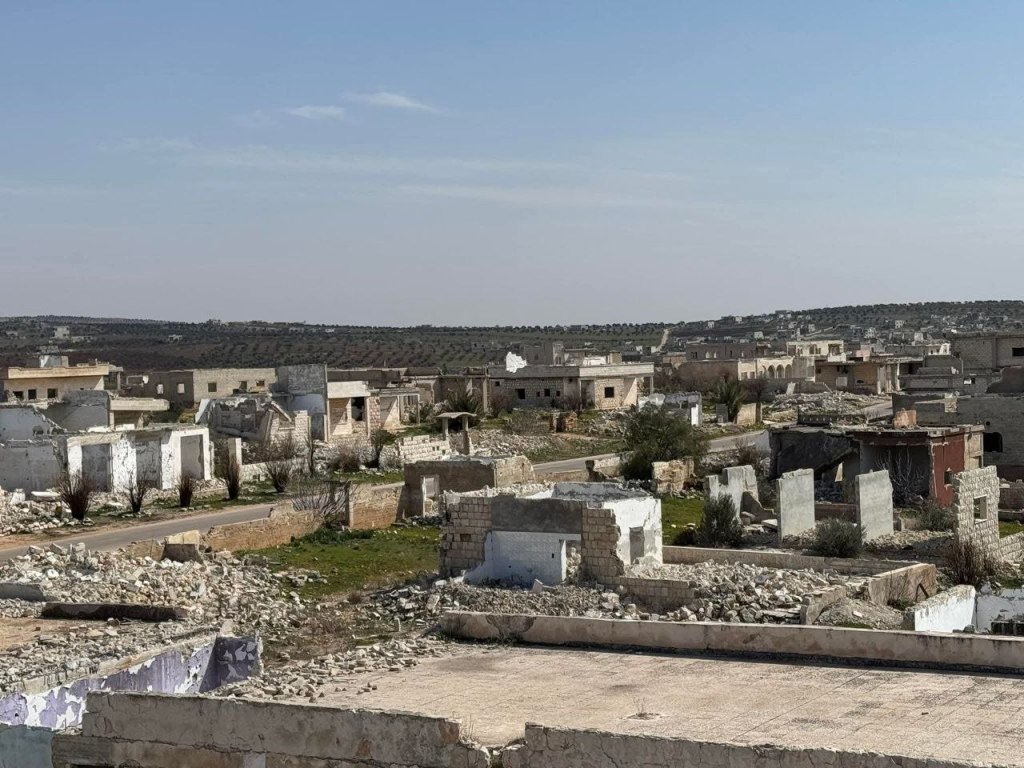
    These voices reflect the natural struggle faced by Syrians abroad. Their hearts remain tied to their homeland, yet the reality on the ground is still harsh—politically, economically, and socially. Many towns remain without homes, schools, or basic infrastructure. Families continue to live in tents, despite relative security returning to some areas.

    Caught between the dream of going home and the stability they’ve found in exile, Syrians abroad remain torn between two difficult choices. For now, they wait for the day when the rubble is cleared, and Syria is rebuilt into a safe and welcoming home for its people—both those inside and those longing to return from afar.

    السوريون في المهجر بين خيار العودة والبقاء بعد انتصار الثورة

    بعد سنوات طويلة من النزوح والتهجير القسري الذي دفع آلاف الشباب السوريين إلى ركوب طرق الهجرة غير الشرعية عبر الغابات والبحار، يعيش اليوم هؤلاء المغتربون حالة من الحيرة والتساؤل حول مستقبلهم بعد انتصار الثورة السورية.

    فالكثير منهم تكبّدوا خسائر كبيرة خلال رحلة الوصول إلى أوروبا، سواء بالمال أو بالمخاطر التي واجهوها في الطرق الوعرة حيث فقد عدد من الشباب حياتهم بسبب الجوع والبرد وصعوبة الطريق. ومع ذلك، استطاع قسم منهم أن يبدأ حياة جديدة في دول اللجوء، لكنّ قرار العودة إلى الوطن ما زال صعباً ومعقّداً.

    أصوات من قلب الغربة

    يقول أحمد، أحد الشباب الذين استقروا في ألمانيا:

    “وصلت بعد عناء طويل، قطعت الغابات والجبال، أكلت من أوراق الشجر، وأنفقت الكثير من المال حتى وصلت إلى هنا. واليوم مع انتصار الثورة يراودني شعور صعب: إما أن أبقى بعيداً عن أهلي أو أعود إليهم، لكن الأمور غير واضحة ومستقبل سوريا ما يزال مجهولاً. لدي عمل هنا ولا أعلم إن كنت سأجد عملاً في سوريا، لذلك أفضل البقاء حالياً حتى تستقر الأوضاع.”

    أما خالد، فيعبّر عن موقف مختلف قائلاً:

    “رغم أنني اعتدت على الحياة في ألمانيا، إلا أنني أفضل العودة إلى وطني. لقد اشتقت لأهلي وقريتي، وسأعود في أقرب وقت مهما كانت الظروف.”

    ويضيف مهند، مغترب آخر:

    “أشتاق إلى سوريا وأتمنى العودة سريعاً، لكنني أفضل البقاء فترة أطول في أوروبا حتى أوفّر المال اللازم لبناء منزل جديد بعد أن دمّر النظام بيتنا، وحتى أستطيع الاستقرار مع عائلتي هناك.”

    من جانبها، ترى فاطمة، أم لثلاثة أولاد مقيمة في هولندا، أن الأولوية هي لمستقبل أبنائها:

    “لا أفكر بالعودة حالياً، فالتعليم في سوريا غير مستقر، وأنا أريد أن أوفّر حياة كريمة لأولادي. لذلك قررت البقاء هنا على الأقل في الفترة القادمة.”

    بين الحلم والواقع

    هذه الشهادات تعبّر عن حيرة طبيعية يعيشها السوريون في المهجر. فالوطن يظل حاضراً في قلوبهم مهما ابتعدوا، لكن واقع سوريا اليوم ما يزال صعباً على مختلف الأصعدة: الاقتصادية والسياسية والأمنية. فالكثير من القرى ما زالت بلا بيوت أو مدارس أو بنية تحتية، وما زالت العائلات تقيم في الخيام رغم عودة جزء من الأمان إلى بعض المناطق.

    وبين الرغبة بالعودة والبحث عن الاستقرار في الغربة، يبقى السوري المغترب ممزقاً بين خيارين أحلاهما مُرّ، بانتظار أن يزول الركام ويُعاد بناء الوطن ليكون حضناً آمناً لأبنائه في الداخل والخارج.
  • Syrian Women and Their Role in the Syrian Revolution

    Syrian Women and Their Role in the Syrian Revolution

    From the very first moments of the Syrian revolution, women were never mere spectators of events; they were an essential part of the revolution and a cornerstone of the Syrian people’s struggle. She is the mother of the martyr, his sister, his wife, and his daughter. Women paid a heavy price in tears and suffering, yet they remained steadfast and resilient, protecting their homes, raising their children, teaching in schools, and tending to the wounded in hospitals and field clinics.

    Syrian women played multiple roles: the nurturing mother who bore the burdens of displacement and exile, the teacher who continued her mission despite bombardment, the doctor and nurse who stood beside the injured, and the fighter who took up arms to defend her homeland, offering her blood for the sake of freedom.

    History has recorded unforgettable names of Syrian women who gave their lives for liberty, among them:

    Martyr Suad Kiari, who fell while defending her land against the oppressive regime.

    Martyr Joud, who fought until the very moment of her death. Just minutes before she was killed when her home was struck by regime missiles, she wrote on her Facebook page:

    “O Allah, goodness in every choice, light in every darkness, ease in every hardship, and reality for all that we hope for. O Allah, by the beauty of Your paradise, show me the beauty of what is to come in my life, grant me what I wish, and expand my heart… O Allah, grant us contentment that makes our hearts peaceful, our worries fleeting, and our trials easy.”

    Martyr Iman, a young teacher who was killed alongside her students under bombardment, symbolizing the sacrifices of Syria’s educators.

    Martyr Samer, a Quran teacher who instilled faith in the hearts of her students before joining the ranks of the martyrs.

    Alongside the martyrs stand heroic mothers who embody endurance and sacrifice. Among them is Um Ahmad, who lost five of her sons on the path to freedom, yet remained steadfast, holding her head high with pride, declaring that the blood of her children is a trust she carries, and that she will remain loyal to their cause until the revolution’s goals are fulfilled.

    Syrian women were never just victims of harsh circumstances; they were partners in shaping history. Their patience under siege, their resilience in the face of bombardment, and their work across all fields made them symbols of the Syrian revolution and living examples of sacrifice and courage.

    Thus, Syrian women have proven that they are not only half of society but also its driving force, its resisting voice, and its enduring spirit. The future of a free Syria cannot be complete without their active participation in all spheres of life.

    المرأة السورية ودورها في ظل الثورة السورية

    منذ اللحظة الأولى لانطلاق الثورة السورية، لم تكن المرأة مجرد متفرجة على الأحداث، بل كانت جزءًا أصيلًا من الثورة، وركنًا أساسيًا في نضال الشعب السوري. فهي أم الشهيد، وأخته، وزوجته، وابنته. وقد دفعت أثمانًا باهظة من دموعها ومعاناتها، لكنها بقيت شامخة وصامدة، تحفظ بيتها، وتربي أبناءها، وتدرّس طلابها في المدرسة، وتداوي جرحى الثورة في المستشفيات والعيادات الميدانية.

    لقد لعبت المرأة السورية أدوارًا متعددة: فهي الأم المربية التي تحملت عبء النزوح والتهجير، والمعلمة التي واصلت رسالتها رغم القصف، والطبيبة والممرضة التي وقفت إلى جانب المصابين، إضافة إلى كونها المناضلة التي حملت السلاح في وجه المعتدين، وقدّمت دمها في سبيل وطنها الحر.

    وسجّل التاريخ أسماء خالدة من النساء السوريات اللواتي قدّمن حياتهن فداءً للحرية، منهن:

    الشهيدة سعاد كياري التي ارتقت وهي تدافع عن أرضها في وجه النظام البائد.

    الشهيدة جود، التي ناضلت في حياتها حتى لحظة استشهادها، وقد كتبت على صفحتها على فيسبوك قبل وفاتها بدقائق بسبب قصف النظام البائد لمنزلها بقذائف صاروخية:

    “اللهُم خيرًا في كلّ اختيار، ونورًا في كل عتمة وتيسيرًا لِكل عسير، وواقعًا لِكل ما نتمنى، اللهم بحجم جمال جنتك أرني جمال القادم فى حياتي وحقق لي ما أتمنى، واشرح لى صدري.. اللهم الرضا الذي يجعل قلوبنا هادئة وهمومنا عابرة ومصائبنا هيّنة”

    الشهيدة إيمان، آنسة في مدرستها، التي استشهدت مع طلابها تحت القصف لتكون رمزًا لتضحيات الكوادر التعليمية في الثورة.

    الشهيدة المعلمة سمر، مدرّسة القرآن، التي غرست قيم الإيمان في قلوب طلابها قبل أن تلتحق بركب الشهداء.

    وإلى جانب الشهيدات، نجد قصص أمهات عظيمات قدّمن أعظم التضحيات، مثل أم أحمد التي فقدت خمسة من أبنائها على درب الحرية، لكنها بقيت صامدة، ترفع رأسها بكل شموخ، وتقول إن دماء أولادها أمانة في عنقها، وإنها ستبقى مخلصة لطريقهم حتى تتحقق أهداف الثورة.

    إن المرأة السورية لم تكن مجرد ضحية للظروف القاسية، بل كانت شريكة في صناعة التاريخ. فصبرها وثباتها في وجه القصف والحصار، وعملها في مختلف الميادين، جعل منها رمزًا من رموز الثورة السورية، وعنوانًا للفداء والتضحية. وهكذا أثبتت أنها ليست فقط نصف المجتمع، بل هي قوته الدافعة، وصوته المقاوم، وروحه الصامدة، وأن مستقبل سوريا الجديدة لن يكتمل إلا بمشاركتها الفاعلة في كل مجالات الحياة.

  • The Path Forward for Syria: Lifting Sanctions as a Key to Reconstruction

    The Path Forward for Syria: Lifting Sanctions as a Key to Reconstruction

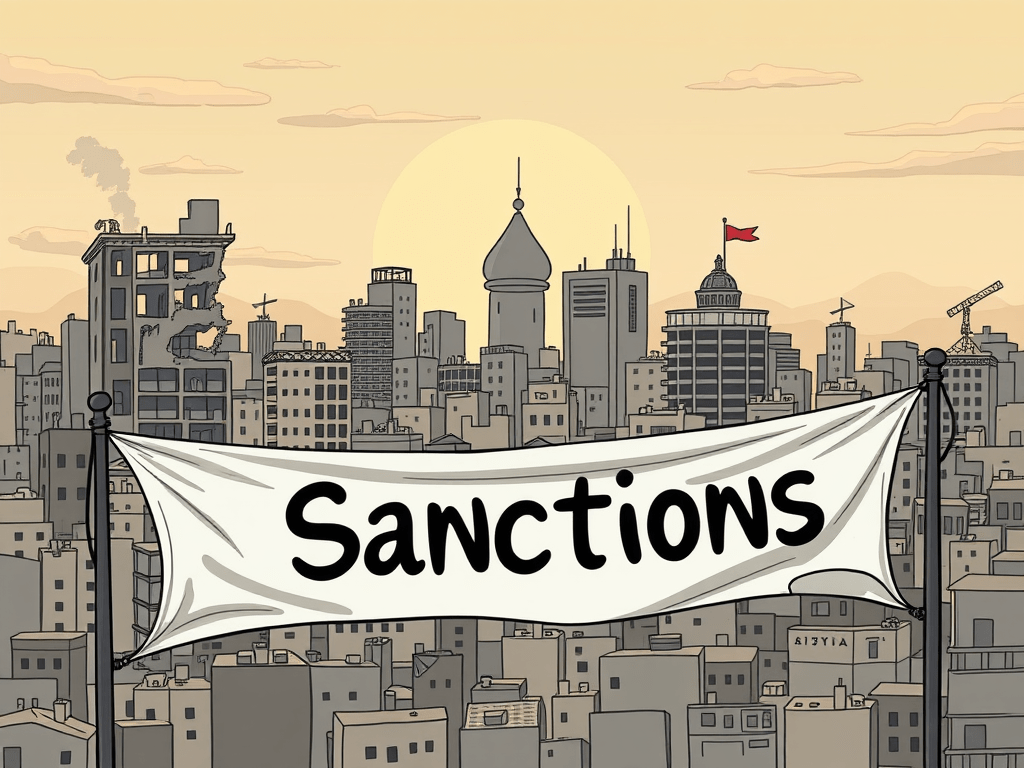
    Syria’s path to recovery after years of brutal conflict hinges on the ability to rebuild its shattered economy and restore essential services to its people. Yet, a key obstacle to this process remains the sanctions imposed by the international community, which continue to strangle Syria’s economic potential and complicate efforts to provide aid to millions of Syrians. The case for lifting these sanctions has become increasingly urgent, as the Syrian leadership, under Ahmed al-Sharaa, has demonstrated a clear commitment to reform and stability since the fall of Bashar al-Assad in December 2024.

    Al-Sharaa’s government has made significant efforts to distance itself from the policies of the previous regime, focusing on rebuilding the country and promoting national reconciliation. His leadership has shown a willingness to address some of the critical issues that have long divided Syria, and while the situation remains complex and challenges persist, there is a clear signal from the government that Syria is committed to a path of stability and reform.

    Despite these efforts, the ongoing sanctions continue to impact the lives of ordinary Syrians, undermining the country’s ability to recover. With over 90% of the population living below the poverty line and many regions in urgent need of humanitarian aid, the sanctions are making it increasingly difficult to deliver the necessary assistance. Humanitarian organizations have repeatedly called for sanctions relief, arguing that these measures hinder their ability to provide essential medical supplies and support to civilians.

    The international community has a significant role to play in Syria’s recovery. While there are understandable concerns about the new government’s ability to address human rights and security challenges, it is also important to recognize the positive steps that have been taken. The Syrian government’s commitment to reform and combating extremism, while still a work in progress, signals a willingness to move the country toward a more stable and inclusive future. However, it is increasingly clear that these efforts will be stifled unless the international community provides the necessary support.

    Lifting the sanctions would not mean turning a blind eye to the challenges Syria faces; it would, however, allow the country to begin rebuilding its economy and improving the lives of its people. The removal of sanctions could facilitate the flow of humanitarian aid, encourage investment, and help restore vital services. It is crucial for the international community to recognize that continued economic pressure on Syria’s civilian population is counterproductive and will only prolong the suffering of millions of Syrians who are already living in dire conditions.

    At the same time, lifting sanctions should be linked to ongoing efforts by the Syrian government to address human rights concerns and ensure the protection of all Syrians, regardless of their sectarian or religious background. It is essential that Syria’s leadership continue to demonstrate progress in these areas. However, the international community must also acknowledge that the country’s recovery will be significantly impeded if sanctions remain in place.

    In conclusion, the time has come for the international community to take a more constructive approach to Syria’s recovery by lifting the sanctions that have been in place for years. The Syrian government has shown its commitment to reform, and while challenges remain, it is now essential to provide the country with the opportunity to rebuild. The international community has a responsibility to support this process by lifting sanctions, allowing Syria to begin its long-awaited recovery and create a foundation for lasting peace and stability.

    The European Syria Institute Team