Category: Humanitarian work

  • Syrian Women and Their Role in the Syrian Revolution

    Syrian Women and Their Role in the Syrian Revolution

    From the very first moments of the Syrian revolution, women were never mere spectators of events; they were an essential part of the revolution and a cornerstone of the Syrian people’s struggle. She is the mother of the martyr, his sister, his wife, and his daughter. Women paid a heavy price in tears and suffering, yet they remained steadfast and resilient, protecting their homes, raising their children, teaching in schools, and tending to the wounded in hospitals and field clinics.

    Syrian women played multiple roles: the nurturing mother who bore the burdens of displacement and exile, the teacher who continued her mission despite bombardment, the doctor and nurse who stood beside the injured, and the fighter who took up arms to defend her homeland, offering her blood for the sake of freedom.

    History has recorded unforgettable names of Syrian women who gave their lives for liberty, among them:

    Martyr Suad Kiari, who fell while defending her land against the oppressive regime.

    Martyr Joud, who fought until the very moment of her death. Just minutes before she was killed when her home was struck by regime missiles, she wrote on her Facebook page:

    “O Allah, goodness in every choice, light in every darkness, ease in every hardship, and reality for all that we hope for. O Allah, by the beauty of Your paradise, show me the beauty of what is to come in my life, grant me what I wish, and expand my heart… O Allah, grant us contentment that makes our hearts peaceful, our worries fleeting, and our trials easy.”

    Martyr Iman, a young teacher who was killed alongside her students under bombardment, symbolizing the sacrifices of Syria’s educators.

    Martyr Samer, a Quran teacher who instilled faith in the hearts of her students before joining the ranks of the martyrs.

    Alongside the martyrs stand heroic mothers who embody endurance and sacrifice. Among them is Um Ahmad, who lost five of her sons on the path to freedom, yet remained steadfast, holding her head high with pride, declaring that the blood of her children is a trust she carries, and that she will remain loyal to their cause until the revolution’s goals are fulfilled.

    Syrian women were never just victims of harsh circumstances; they were partners in shaping history. Their patience under siege, their resilience in the face of bombardment, and their work across all fields made them symbols of the Syrian revolution and living examples of sacrifice and courage.

    Thus, Syrian women have proven that they are not only half of society but also its driving force, its resisting voice, and its enduring spirit. The future of a free Syria cannot be complete without their active participation in all spheres of life.

    المرأة السورية ودورها في ظل الثورة السورية

    منذ اللحظة الأولى لانطلاق الثورة السورية، لم تكن المرأة مجرد متفرجة على الأحداث، بل كانت جزءًا أصيلًا من الثورة، وركنًا أساسيًا في نضال الشعب السوري. فهي أم الشهيد، وأخته، وزوجته، وابنته. وقد دفعت أثمانًا باهظة من دموعها ومعاناتها، لكنها بقيت شامخة وصامدة، تحفظ بيتها، وتربي أبناءها، وتدرّس طلابها في المدرسة، وتداوي جرحى الثورة في المستشفيات والعيادات الميدانية.

    لقد لعبت المرأة السورية أدوارًا متعددة: فهي الأم المربية التي تحملت عبء النزوح والتهجير، والمعلمة التي واصلت رسالتها رغم القصف، والطبيبة والممرضة التي وقفت إلى جانب المصابين، إضافة إلى كونها المناضلة التي حملت السلاح في وجه المعتدين، وقدّمت دمها في سبيل وطنها الحر.

    وسجّل التاريخ أسماء خالدة من النساء السوريات اللواتي قدّمن حياتهن فداءً للحرية، منهن:

    الشهيدة سعاد كياري التي ارتقت وهي تدافع عن أرضها في وجه النظام البائد.

    الشهيدة جود، التي ناضلت في حياتها حتى لحظة استشهادها، وقد كتبت على صفحتها على فيسبوك قبل وفاتها بدقائق بسبب قصف النظام البائد لمنزلها بقذائف صاروخية:

    “اللهُم خيرًا في كلّ اختيار، ونورًا في كل عتمة وتيسيرًا لِكل عسير، وواقعًا لِكل ما نتمنى، اللهم بحجم جمال جنتك أرني جمال القادم فى حياتي وحقق لي ما أتمنى، واشرح لى صدري.. اللهم الرضا الذي يجعل قلوبنا هادئة وهمومنا عابرة ومصائبنا هيّنة”

    الشهيدة إيمان، آنسة في مدرستها، التي استشهدت مع طلابها تحت القصف لتكون رمزًا لتضحيات الكوادر التعليمية في الثورة.

    الشهيدة المعلمة سمر، مدرّسة القرآن، التي غرست قيم الإيمان في قلوب طلابها قبل أن تلتحق بركب الشهداء.

    وإلى جانب الشهيدات، نجد قصص أمهات عظيمات قدّمن أعظم التضحيات، مثل أم أحمد التي فقدت خمسة من أبنائها على درب الحرية، لكنها بقيت صامدة، ترفع رأسها بكل شموخ، وتقول إن دماء أولادها أمانة في عنقها، وإنها ستبقى مخلصة لطريقهم حتى تتحقق أهداف الثورة.

    إن المرأة السورية لم تكن مجرد ضحية للظروف القاسية، بل كانت شريكة في صناعة التاريخ. فصبرها وثباتها في وجه القصف والحصار، وعملها في مختلف الميادين، جعل منها رمزًا من رموز الثورة السورية، وعنوانًا للفداء والتضحية. وهكذا أثبتت أنها ليست فقط نصف المجتمع، بل هي قوته الدافعة، وصوته المقاوم، وروحه الصامدة، وأن مستقبل سوريا الجديدة لن يكتمل إلا بمشاركتها الفاعلة في كل مجالات الحياة.
  • Syrian Youth and Their Political Role in the New Syria

    Syrian Youth and Their Political Role in the New Syria

    Syrian youth today represent the cornerstone in building a new Syria after the victory of the revolution and the liberation of the country from the former oppressive regime. This generation, which lived through years of bombardment, displacement, and hardship, now sees itself as responsible for leading a new phase, not only in the military or social spheres, but also in politics, which stands as the foundation for any genuine democratic reconstruction.

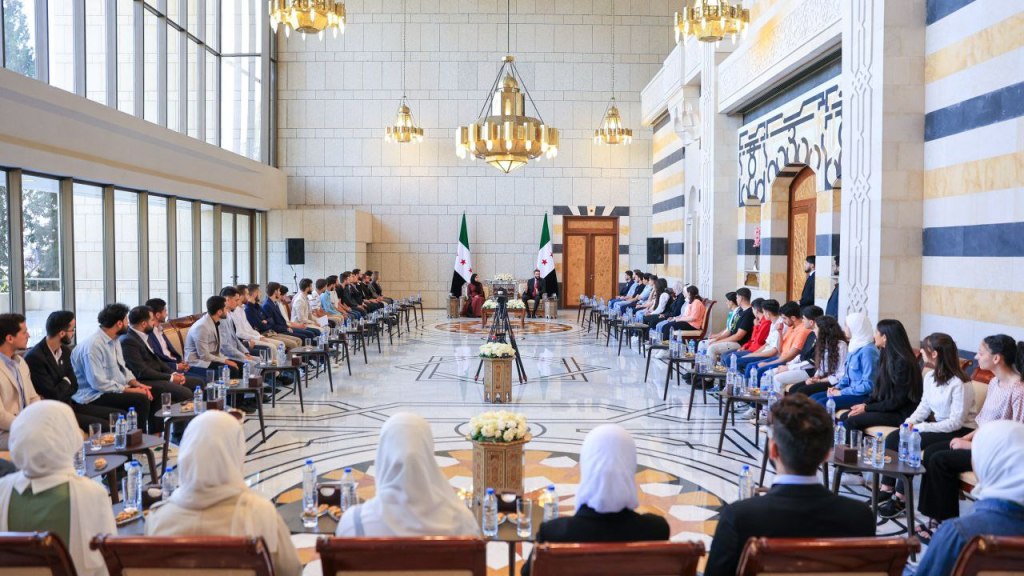
    Over the past years, it has become clear that Syrian youth, especially those who grew up in the atmosphere of the revolution and endured its challenges, have become more aware and determined to contribute to shaping the future of their homeland. This is most evident in the wide participation of young people in the electoral committees supervising the upcoming parliamentary elections, where many members are under the age of thirty. Such participation was unheard of under the former regime, which systematically marginalized youth and excluded them from any effective political role.

    Among the emerging examples is Ahmad, born in 1998, who announced his candidacy for parliament based on his community work and experience, aiming to represent the voice of young Syrians, particularly those who sacrificed and struggled for Syria’s freedom. Equally remarkable is the candidacy of several young women under the age of thirty, a step that highlights the growing presence and influence of young women in Syria’s political life.

    The parliamentary elections after liberation are considered the first real political experience in the new Syria, giving all segments of society the chance to choose their representatives. This step carries deep significance: the revolution was not only about overthrowing a regime, but also about launching a new era of popular participation and political representation, with youth at its forefront.

    Thus, the political role of Syrian youth is no longer optional but a national necessity to ensure that the new Syria emerges as a modern state built on democracy and justice, a state that opens the door for its young generations to lead its journey and shape its future. Today, Syrian youth are the hope of the new Syria, and their political voice is the true guarantee for preserving the achievements of the revolution. Having given sacrifices on the frontlines of freedom, they now prove themselves capable of carrying the banner of political and democratic reconstruction. By engaging in the institutions of the nascent state, they affirm that tomorrow’s Syria can only be built by the hands and minds of its youth, the faithful guardians of a free and just homeland for all.

    الشباب السوري ودوره السياسي في سوريا الجديدة

    يشكّل الشباب السوري اليوم حجر الأساس في بناء سوريا الجديدة بعد انتصار الثورة وتحرير البلاد من النظام البائد. فجيل الثورة الذي عايش سنوات القصف والتهجير والمعاناة، يرى نفسه اليوم مسؤولًا عن قيادة مرحلة جديدة، ليس فقط في الجانب العسكري أو الاجتماعي، بل أيضًا في الجانب السياسي الذي يُعدّ الركيزة الأولى لأي عملية بناء ديمقراطي حقيقي.

    لقد أظهرت السنوات الماضية أن الشباب السوري، ولا سيما أولئك الذين ترعرعوا في أجواء الثورة وصمدوا في وجه التحديات، باتوا أكثر وعيًا وإصرارًا على المساهمة في صياغة مستقبل وطنهم. ويبرز ذلك بوضوح في المشاركة الواسعة للشباب ضمن اللجان الانتخابية التي تشرف على انتخابات مجلس الشعب، حيث يضمّ عددًا كبيرًا من الأعضاء الذين لم يتجاوزوا الثلاثين من أعمارهم. وهو أمر لم يكن موجودًا على الإطلاق في عهد النظام السابق الذي همّش الشباب وأقصاهم عن أي دور سياسي فاعل.

    ومن الأمثلة على هذا التحول، بروز شخصيات شبابية مثل الأستاذ أحمد (مواليد 1998) الذي أعلن ترشحه لمجلس الشعب استنادًا إلى سيرته الذاتية وجهوده في خدمة المجتمع، ليكون صوتًا للشباب الثائر الذي قدّم التضحيات في سبيل حرية سوريا. وما يلفت النظر أيضًا هو ترشّح العديد من الفتيات السوريات اللواتي لم يتجاوزن الثلاثين من العمر، في خطوة تؤكد أن دور المرأة الشابة سيكون حاضرًا بقوة في الحياة السياسية المقبلة.

    إن تجربة انتخابات مجلس الشعب بعد التحرير تُعتبر أول تجربة سياسية حقيقية في سوريا الجديدة، حيث تتاح الفرصة لكل فئات المجتمع للمشاركة في اختيار ممثليهم. وهي خطوة تحمل دلالات عميقة على أن الثورة لم تكن فقط لإسقاط نظام، بل لإطلاق مرحلة جديدة من المشاركة الشعبية والتمثيل السياسي، يكون الشباب في طليعتها.

    وهكذا، فإن الدور السياسي للشباب السوري لم يعد خيارًا ثانويًا، بل أصبح ضرورة وطنية لضمان أن تكون سوريا الجديدة دولةً عصريةً قائمةً على الديمقراطية والعدالة، دولةً تفتح المجال أمام الأجيال الصاعدة لتقود مسيرتها وتبني مستقبلها بأيديها. إن الشباب السوري اليوم هو أمل سوريا الجديدة، وصوته السياسي هو الضمانة الحقيقية لاستمرار مكتسبات الثورة. فبعد أن قدّم التضحيات في ميادين الحرية، يثبت اليوم أنه قادر على حمل راية البناء السياسي والديمقراطي، وبانخراطه في مؤسسات الدولة الناشئة، يؤكد أن سوريا الغد لن تُبنى إلا بسواعد شبابها وعقولهم النيرة، ليكونوا الحارس الأمين على مستقبل وطن حرّ وعادل لكل أبنائه.

  • What Comes Next for Syria? Humanitarian Perspectives from the Ground in a Precarious New Era

    What Comes Next for Syria? Humanitarian Perspectives from the Ground in a Precarious New Era

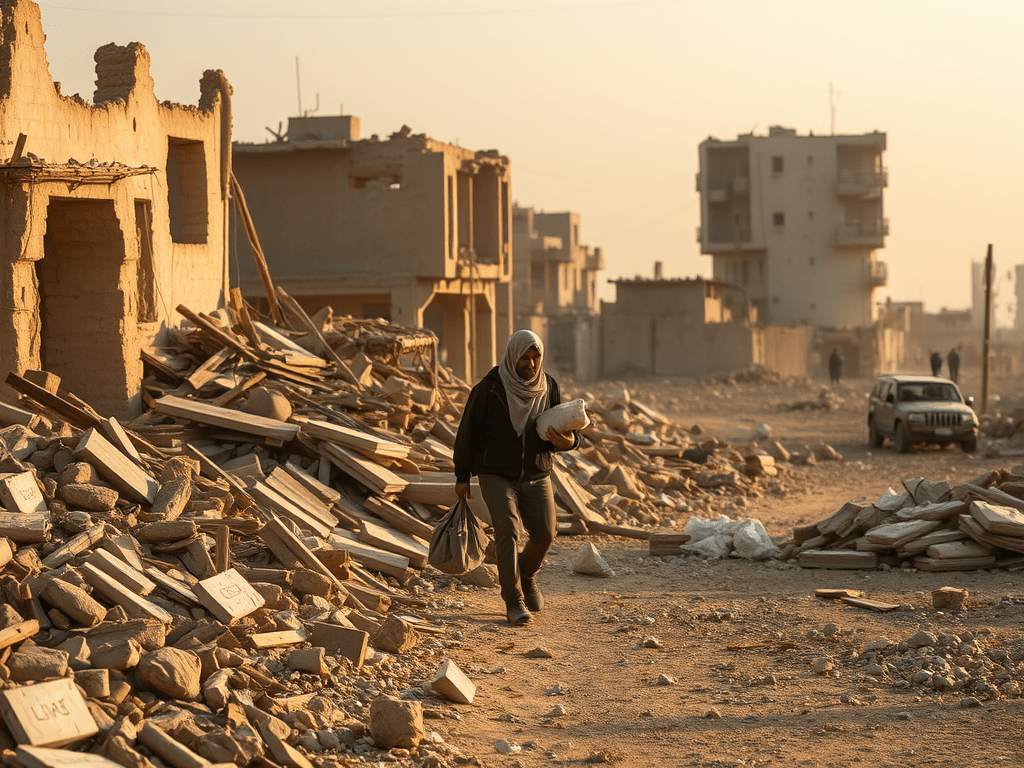
    In the wake of Syria’s tumultuous political upheaval, a fragile hope flickers across a war-battered landscape. With the fall of Bashar al-Assad’s regime in December 2024 and the appointment of Ahmed al-Sharaa as interim president at the Syrian Revolution Victory Conference the following month, the country finds itself at a critical juncture. The civil war has left behind not just ruins, but deep societal fractures: ethnic, sectarian, and institutional, that threaten to undermine even the most promising reforms.

    Among those navigating this uncertain future are humanitarian organizations that have been working in Syria for years, often in the shadows of violence, bureaucracy, and mistrust. Their perspectives offer a sobering look at the country’s path forward and the many obstacles that still lie ahead.

    A Promise of Reform, Weighted by Reality

    Perhaps the most unlikely figure to emerge as a transitional power broker is former HTS leader Ahmed al-Sharaa. His recent rebranding, marked by public commitments to hold elections, uphold civil liberties, and guarantee religious freedom, has raised both hope and skepticism.

    While his rhetoric signals a break from the past, the reality remains complex. There is a visible desire to stabilize and present an image of order, but the foundations for governance remain weak. Institutions are broken. Ideology continues to influence decisions related to aid distribution, urban recovery, and civic life.

    This challenge is compounded by a fragmented, hyper-localized landscape. Despite a change in leadership, interference, favoritism, and ideological pressure continue to obstruct humanitarian delivery. This can take the form of demands to prioritize aid for politically favored groups or pressure to conform to socially conservative norms.

    Bureaucracy, Banking, and Bread

    Across Syria, operational challenges are severe. Organizations must navigate a convoluted approval process involving umbrella organizations like the Syrian Development Organization (SDO), the Humanitarian Affairs Committee (HAC), and local authorities.

    The process is sometimes more negotiable than under the previous regime, but liquidity constraints and exchange rate instability undermine project planning. Aid groups frequently see budgets devalued due to delays and currency fluctuations.

    Access restrictions persist in areas like Dara’a and As-Sweida, and banking challenges paralyze operations. Delays in payments and procurement have been challenging.

    Meanwhile, urgent humanitarian needs remain. In Jizraya, NGOs are running bakeries to ensure food security. In Kwaires, farming communities are supported with seeds and inputs to restart agricultural production.

    However, these initiatives remain fragile, vulnerable to renewed violence, shifting political winds, and fluctuating donor support.

    Safety by Silence

    Security remains tenuous, shaped by a patchwork of actors. The formal police are undertrained and lack legitimacy. Local militias and armed factions often assert authority where government institutions are weak.

    In rural Deir ez-Zor, concerns persist about the presence of foreign fighters and sporadic Daesh activity. In other areas, low-intensity conflict and factional violence remain unresolved.

    In this context, many humanitarian actors avoid confrontation and self-censor to preserve access. Navigating complex ideological environments requires discretion and compromise, particularly in areas where conservative religious or political pressures shape public life.

    Ideological backlash has disrupted aid projects. Initiatives seen as overly secular or Western have faced public campaigns and online harassment. Religious infrastructure projects, often backed by external donors, possibly Gulf states, are expanding rapidly, sometimes at the expense of cultural and civic spaces.

    Ethnic Fractures and Fragile Coexistence

    Ethnic and sectarian tensions remain deeply rooted. In urban centers like Damascus and Aleppo, coexistence is often pragmatic, driven by shared economic needs. In rural and coastal areas, where communities are more homogeneous, mistrust and historical grievances persist.

    Aid distribution, housing, and education are often viewed through the lens of identity. Neutrality is difficult to uphold when resources are scarce and every decision is politically sensitive. Even well-intentioned humanitarian efforts risk becoming entangled in local power dynamics.

    Looking Ahead: Building or Breaking?

    Despite the challenges, there are reasons for cautious optimism. Efforts to revitalize agriculture, reintegrate former combatants, and restore cultural landmarks may offer a foundation for long-term resilience. These interventions, if protected and supported, could help rebuild livelihoods and social cohesion.

    But this path forward requires more than technical expertise. It demands trust, reconciliation, and local empowerment—none of which are guaranteed in today’s Syria. Leaders like Ahmed al-Sharaa may speak of a new era based on pluralism and civil liberties, but the conditions on the ground remain fragile.

    The real work of recovery is taking place quietly, far from official statements and televised announcements. It is found in engineers restoring roads, women planting gardens, teachers reopening schools, and aid workers navigating impossible choices to serve their communities.

    This is where Syria’s future will be decided: not in headlines, but in the day-to-day struggle to rebuild a country that has lost so much, yet still holds the possibility of renewal.